Spinal Muscular Atrophy (SMA): Understanding the Rare Genetic Disorder
Spinal Muscular Atrophy (SMA) is a rare genetic condition that affects the nerves responsible for controlling muscle movement. Although SMA is uncommon, its impact on patients and families can be significant. The condition mainly affects motor neurons, which are nerve cells present in the spinal cord that help control voluntary muscle activities like walking, breathing, swallowing, and other daily movements.
With advancements in medical science, early diagnosis and timely treatment have changed the outlook for many individuals living with SMA. Understanding the condition, recognising early signs, and seeking expert medical guidance can make a meaningful difference.
What Causes Spinal Muscular Atrophy?
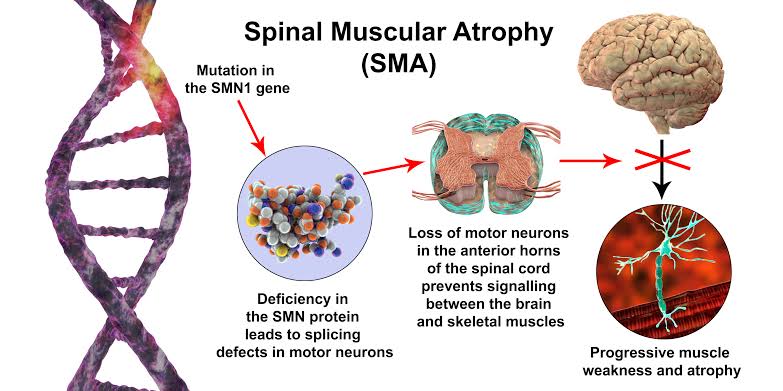
SMA is caused by changes or mutations in the SMN1 gene, which plays an important role in maintaining motor neurons. When this gene does not function properly, motor neurons gradually become weak and start to deteriorate. As a result, muscles do not receive proper signals from the brain and spinal cord, leading to muscle weakness and loss of movement.
Since SMA is a genetic disorder, it can be passed from parents to children. In many cases, parents may carry the faulty gene without showing any symptoms themselves.
Types of Spinal Muscular Atrophy
SMA is classified into different types based on the age when symptoms begin and the severity of muscle weakness.
SMA Type 1
This is the most severe form and usually appears in infants. Babies may have difficulty holding their head, feeding, breathing, or achieving early developmental milestones.
SMA Type 2
Symptoms usually appear during infancy or early childhood. Children may be able to sit independently but often experience challenges with standing or walking.
SMA Type 3
This form generally develops later in childhood or adolescence. Individuals may walk independently but can experience progressive muscle weakness over time.
SMA Type 4
This is a milder form that usually begins in adulthood and progresses slowly.
Early Signs of SMA That Should Not Be Ignored
The symptoms of SMA can vary depending on the type, but common signs include:
- Delayed motor milestones in children
- Muscle weakness and reduced muscle tone
- Difficulty sitting, standing, or walking
- Frequent falls
- Problems with swallowing or feeding
- Breathing difficulties in severe cases
Parents should pay attention if a child is not meeting expected developmental milestones or shows unusual muscle weakness.
Importance of Early Diagnosis
Early diagnosis plays a crucial role in managing SMA. Genetic testing can confirm the condition and help doctors understand the severity of the disease. Starting treatment at an early stage can help preserve muscle function and improve quality of life.
A detailed evaluation by an experienced neurologist or neurosurgeon helps create an appropriate management plan for the patient.
For specialised neurological care, patients can consult Dr Srikant Swain, the best neurosurgeon in Bhubaneswar, who provides expert evaluation and guidance for complex neurological conditions.
Living with SMA
SMA requires long-term care involving multiple aspects of health. Physiotherapy, respiratory support, nutritional care, and regular medical monitoring play an important role in improving daily functioning.
While SMA is a lifelong condition, advancements in treatment and supportive care have brought new hope for patients and families.
Conclusion
Spinal Muscular Atrophy is a challenging genetic disorder, but awareness and early intervention can significantly improve outcomes. Recognising symptoms early and seeking expert medical advice can help patients receive the right care at the right time.