
Understanding Hydrocephalus in Children and Adults
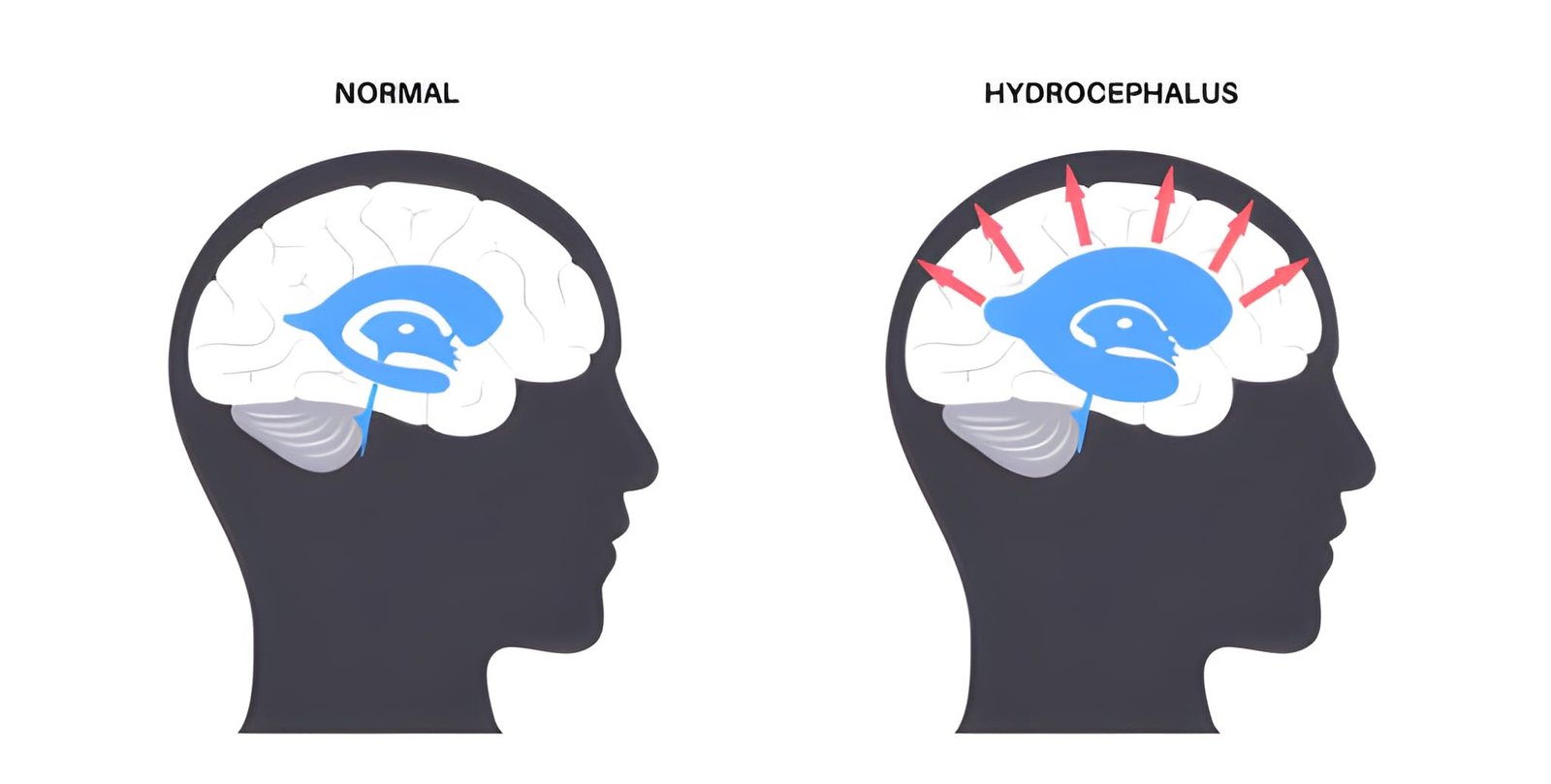
Hydrocephalus is a neurological condition that occurs when excess cerebrospinal fluid (CSF) accumulates within the brain's ventricles. While the condition is commonly associated with infants and young children, it can affect people of all ages, including adults and the elderly. Early diagnosis and timely treatment are crucial to prevent serious complications and improve quality of life.
What Is Hydrocephalus?
The brain and spinal cord are surrounded by cerebrospinal fluid, which helps protect and nourish the nervous system. Normally, this fluid circulates continuously and is absorbed into the bloodstream. Hydrocephalus develops when there is an imbalance between the production and absorption of CSF, leading to increased pressure inside the skull.
This pressure can affect brain function and, if left untreated, may cause permanent neurological damage.
Hydrocephalus in Children
Hydrocephalus is often diagnosed in infants and young children. In babies, the skull bones have not yet fully fused, allowing the head to enlarge when excess fluid builds up.
Common signs and symptoms in children include:
- Rapid increase in head size
- Bulging soft spot on the head
- Irritability and excessive crying
- Poor feeding
- Vomiting
- Developmental delays
- Seizures
- Difficulty focusing the eyes
Some children are born with hydrocephalus due to congenital abnormalities, while others may develop it because of infections, bleeding within the brain, or brain tumors.
Hydrocephalus in Adults
Adult hydrocephalus can be more challenging to diagnose because its symptoms often resemble those of other neurological conditions.
1
- Persistent headaches
- Balance and walking difficulties
- Memory problems
- Blurred vision
- Nausea and vomiting
- Difficulty concentrating
- Urinary incontinence
A specific type known as Normal Pressure Hydrocephalus (NPH) is often seen in older adults and may be mistaken for Alzheimer's disease or Parkinson's disease due to similar symptoms.
How Is Hydrocephalus Diagnosed?
Diagnosis typically involves a detailed neurological examination along with imaging studies such as MRI or CT scans. These tests help determine the extent of fluid accumulation and identify the underlying cause.
Early diagnosis significantly improves treatment outcomes and reduces the risk of long-term complications.
Treatment Options
The most common treatment for hydrocephalus is surgical intervention. Procedures may include:
Ventriculoperitoneal (VP) Shunt
A shunt system diverts excess cerebrospinal fluid from the brain to another part of the body where it can be absorbed safely.
Endoscopic Third Ventriculostomy (ETV)
This minimally invasive procedure creates an alternative pathway for fluid circulation within the brain.
The choice of treatment depends on the patient's age, symptoms, and the underlying cause of hydrocephalus.
Why Early Treatment Matters
Untreated hydrocephalus can lead to cognitive impairment, vision problems, developmental delays, and potentially life-threatening complications. Fortunately, with modern neurosurgical techniques, many patients can lead healthy and productive lives after treatment.
If you or a loved one experiences symptoms suggestive of hydrocephalus, seeking expert medical evaluation is essential. Dr Srikant Swain, the best neurosurgeon in Bhubaneswar, specializes in diagnosing and managing complex brain and neurological disorders, including hydrocephalus. With extensive experience and patient-centered care, he helps patients receive timely treatment and achieve better neurological outcomes.
Final Thoughts
Hydrocephalus is a treatable condition, but awareness and early diagnosis are key. Whether it affects a newborn, a child, or an adult, prompt medical attention can make a significant difference. Understanding the warning signs and consulting an experienced specialist can help ensure the best possible recovery and long-term health.