
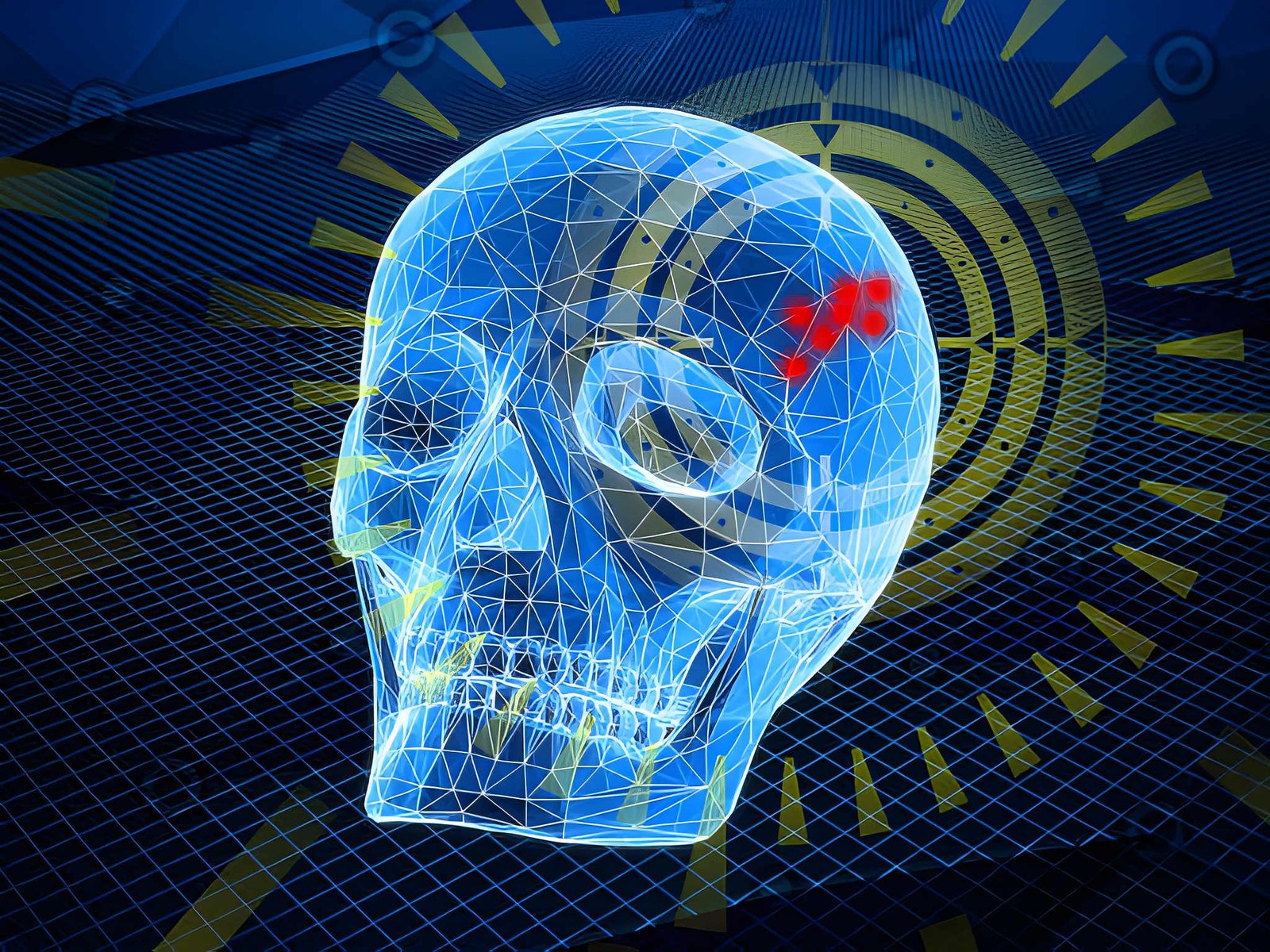
Can a Brain Tumour Be Detected Without Symptoms?
When people think of a brain tumour, they often imagine severe headaches, seizures, or noticeable neurological problems. However, not all brain tumours produce obvious symptoms in their early stages. In fact, some tumours are discovered completely by accident during scans performed for unrelated reasons.
This raises an important question: Can a brain tumour be detected without symptoms? The answer is yes.
Understanding Brain Tumours
A brain tumour is an abnormal growth of cells within the brain or surrounding structures. Tumours can be benign (non-cancerous) or malignant (cancerous). The symptoms a patient experiences often depend on the tumour's size, location, and growth rate.
In many cases, a small tumour may not interfere with normal brain function, allowing it to remain unnoticed for months or even years.
How Are Asymptomatic Brain Tumours Found?
Modern imaging technology has increased the detection of brain tumours that might otherwise have gone unnoticed.
Common situations where an asymptomatic brain tumour may be discovered include:
- MRI scans performed after a head injury
- Investigations for chronic sinus problems
- Evaluation of dizziness or vertigo
- Health screenings conducted for unrelated medical conditions
- Imaging studies before surgery
These unexpected findings are often referred to as "incidental brain tumours."
Are All Brain Tumours Symptom-Free?
No. Most brain tumours eventually produce symptoms as they grow and begin to affect nearby brain tissue.
Possible symptoms include:
- Frequent or worsening headaches
- Seizures
- Vision changes
- Hearing difficulties
- Weakness in the arms or legs
- Speech problems
- Memory issues
- Personality changes
However, the absence of symptoms does not always mean the tumour is harmless. Some tumours can continue growing silently before causing significant problems.
Should You Be Concerned About an Incidental Brain Tumour?
Discovering a brain tumour unexpectedly can be frightening, but not all tumours require immediate surgery.
Factors that influence treatment decisions include:
- Tumour size
- Location
- Growth rate
- Type of tumour
- Patient's age and overall health
In some cases, doctors may recommend regular monitoring with periodic MRI scans. In others, early surgical intervention may be the safest option.
The Importance of Early Detection
One advantage of identifying a brain tumour before symptoms develop is the opportunity for timely treatment. Early diagnosis may allow for less invasive treatment options and potentially better outcomes.
Advanced neurosurgical techniques have significantly improved the safety and effectiveness of brain tumour treatment. Careful planning, high-resolution imaging, and minimally invasive procedures help neurosurgeons achieve better results while preserving neurological function.
When Should You Consult a Neurosurgeon?
Even if a brain tumour is discovered accidentally, expert evaluation is essential. A neurosurgeon can determine whether observation, surgery, radiation therapy, or another treatment approach is appropriate.
If you have concerns about a brain scan result or are experiencing unexplained neurological symptoms, consulting an experienced specialist is the best course of action.
Dr Srikant Swain, the best neurosurgeon in Bhubaneswar, has extensive expertise in the diagnosis and treatment of brain tumours. Through comprehensive evaluation and personalised treatment planning, he helps patients understand their condition and make informed healthcare decisions.
Final Thoughts
Yes, a brain tumour can be detected without symptoms, and this is becoming increasingly common due to advances in medical imaging. While not every asymptomatic tumour is dangerous, every brain tumour deserves careful evaluation by a qualified neurosurgeon.
Early detection, accurate diagnosis, and expert management play a vital role in achieving the best possible outcomes. If a brain tumour is suspected or identified, seeking specialist advice without delay can make all the difference.