
Pinched Nerve: Medicines, Therapy, or Surgery?
A pinched nerve is a common condition that can cause pain, numbness, tingling, or weakness in different parts of the body. It happens when surrounding tissues such as bones, discs, muscles, or ligaments put excessive pressure on a nerve. While some cases improve with rest and treatment, others may require advanced medical care.
Pinched nerves can occur in the neck, back, wrist, or other areas where nerves pass through narrow spaces. Conditions like slipped discs, spinal arthritis, poor posture, repetitive movements, obesity, or injuries often contribute to nerve compression.
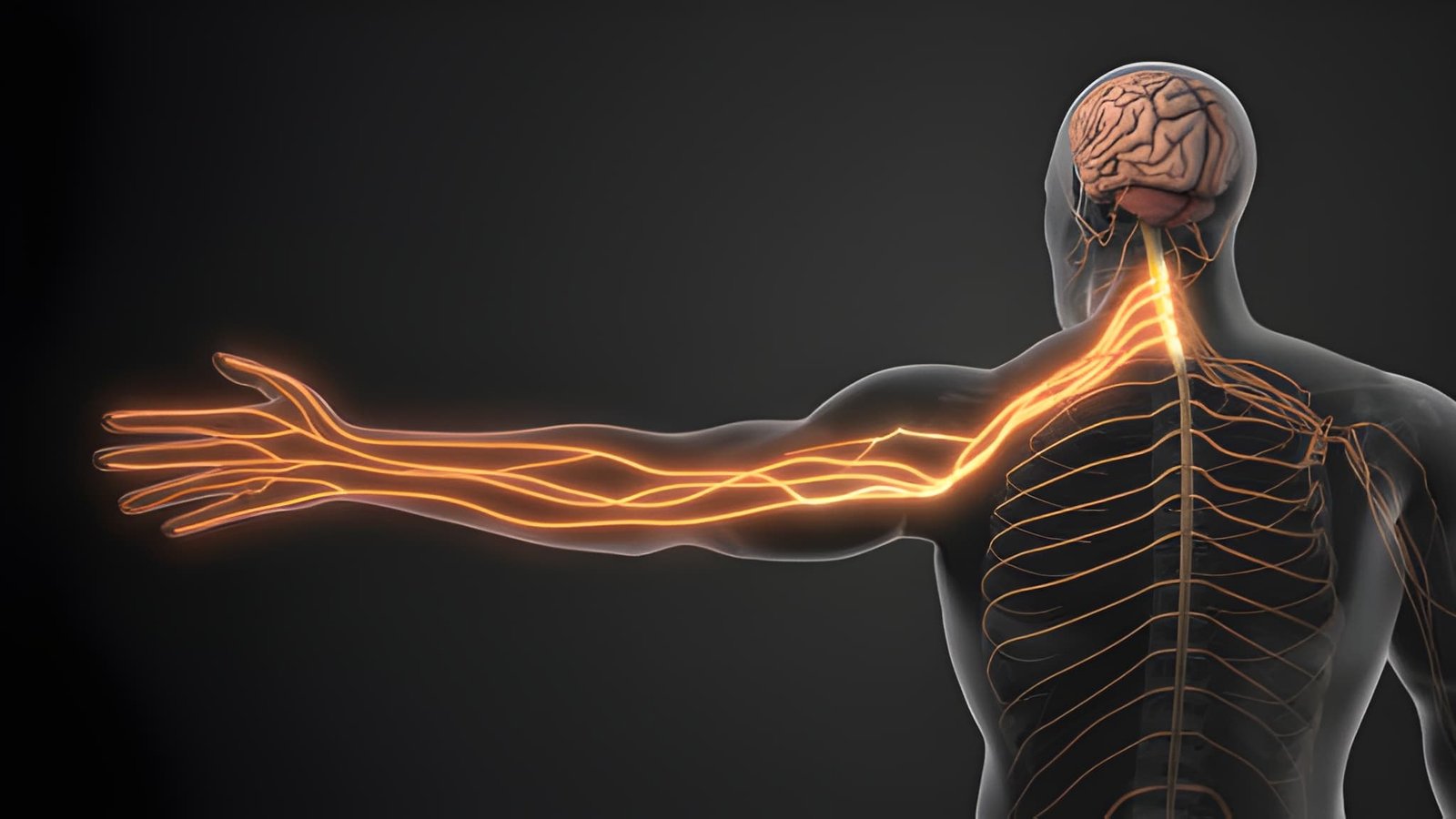
The symptoms depend on the affected nerve. Some people experience sharp shooting pain, while others may feel burning sensations, tingling, muscle weakness, or numbness radiating into the arms or legs. For example, a pinched nerve in the neck may cause pain extending to the shoulders and hands, while one in the lower back may trigger sciatica-like symptoms down the leg.
One important thing to understand is that not every pinched nerve requires surgery. The right treatment depends on the severity, duration, and underlying cause of the compression.
For mild cases, medications are often the first step. Anti-inflammatory medicines, muscle relaxants, and pain relievers can help reduce swelling and discomfort around the nerve. Rest and activity modification may also provide relief.
Physiotherapy plays a major role in recovery. Specific stretching and strengthening exercises improve posture, reduce pressure on the nerve, and support spinal health. Therapists may also use heat therapy, ultrasound therapy, or nerve mobilization techniques to reduce symptoms.
Lifestyle changes are equally important. Maintaining proper posture, avoiding repetitive strain, managing body weight, and staying physically active can prevent further nerve irritation.
However, if symptoms persist despite conservative treatment, further evaluation becomes necessary. Severe nerve compression can lead to muscle weakness, loss of sensation, or difficulty walking. In such situations, imaging tests like MRI help identify the exact problem.
When nerve damage becomes significant or the quality of life is severely affected, surgery may be recommended. Modern minimally invasive neurosurgical procedures can effectively relieve pressure on nerves with smaller incisions, reduced pain, and faster recovery compared to traditional surgeries.
According to Dr Srikant Swain, the best neurosurgeon in Bhubaneswar, early diagnosis is crucial in preventing permanent nerve damage. Ignoring persistent symptoms may worsen the condition and delay recovery.
The good news is that most pinched nerves respond well to timely treatment. The key is understanding the cause and choosing the right approach—whether medicines, therapy, or surgery.
Pain, tingling, or numbness should never be ignored, especially if they continue for weeks or interfere with daily life. Seeking expert medical guidance early can help restore comfort, mobility, and overall quality of life.