3D Mesh Cranioplasty: Where Precision Meets Real-World Healing
In real clinical practice, cranioplasty is never just about “closing a skull defect.” It’s about restoring confidence, protecting the brain, and helping a patient feel whole again, sometimes after months or years of living with a visible reminder of trauma or surgery. This is where 3D mesh cranioplasty has quietly changed the game.
Surgeons who have been around long enough remember the old days well. Hand-shaped bone cement in the operating room. Titanium plates are bent manually during surgery. Longer operating times, unpredictable symmetry, and a lot of stress for both the surgical team and the patient. Some outcomes were acceptable. Some weren’t. And revisions were more common than anyone likes to admit.
3D mesh cranioplasty emerged not from textbooks, but from frustration. Surgeons wanted precision. Patients wanted better cosmetic and functional outcomes. Technology stepped in.
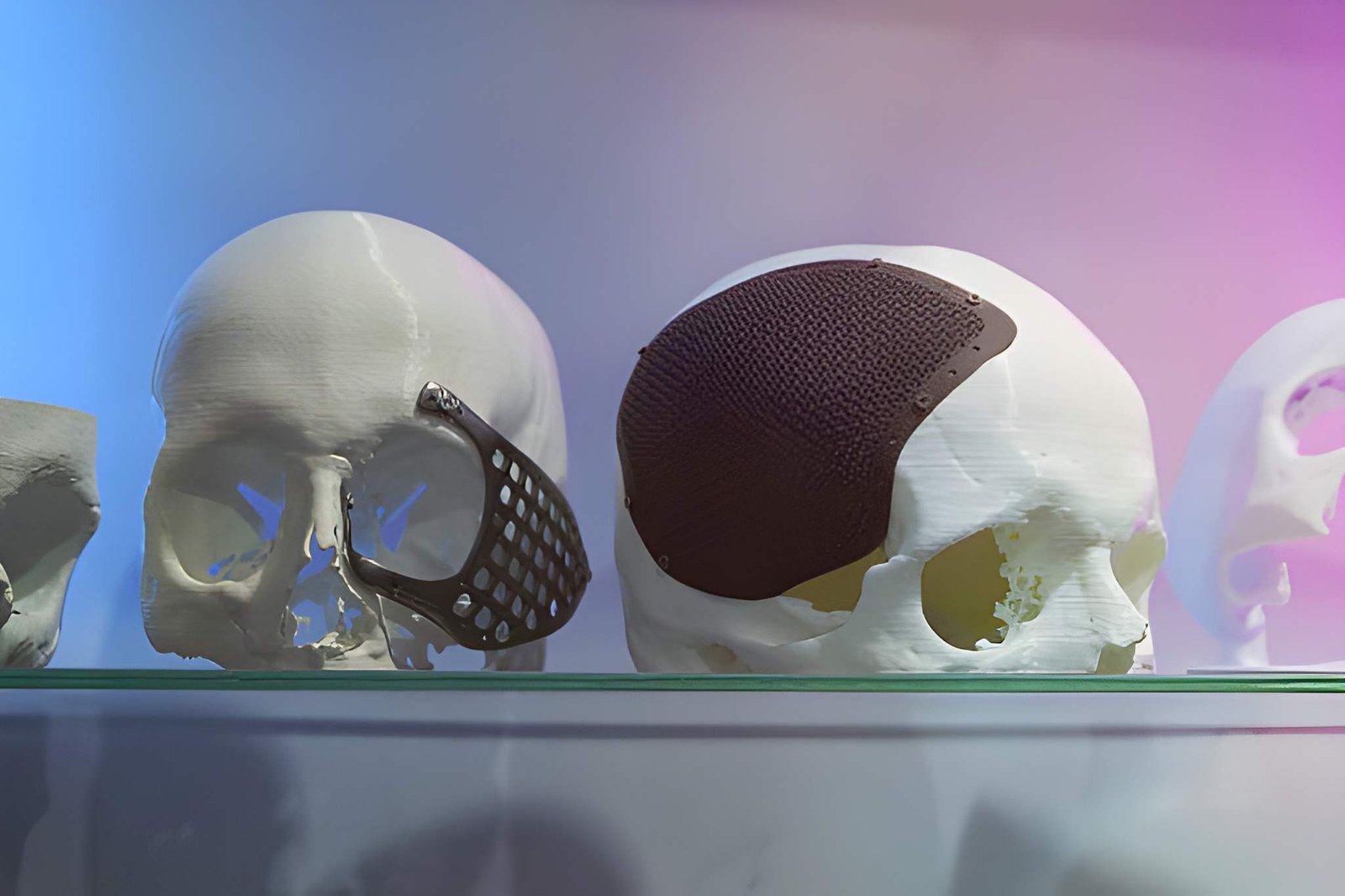
The process begins long before the patient enters the operating theatre. A high-resolution CT scan is used to create a digital, three-dimensional model of the skull. Using this, a custom implant, often titanium mesh or PEEK, is designed to fit the defect exactly. Not “close enough,” but millimetre-perfect. By the time surgery happens, the implant is already shaped, tested virtually, and ready.
From a surgeon’s perspective, the difference is immediate. Operating time reduces significantly because there’s no on-table improvisation. Less time under anaesthesia means lower risk, especially in patients who are already medically fragile. The implant fits flush with the surrounding bone, reducing pressure points and minimising post-operative discomfort.
From a patient’s point of view, the impact goes beyond the surgical scar. Many patients with skull defects avoid mirrors, social interactions, and even jobs that require public engagement. After 3D mesh cranioplasty, the most common reaction isn’t medical, it’s emotional. “I look like myself again.” That matters more than any radiological report.
Of course, it’s not magic. One common mistake is assuming every patient is an ideal candidate. In real-world practice, infection history, soft tissue condition, and timing matter immensely. Rushing into cranioplasty without controlling infection is a recipe for failure, custom implant or not. Experienced surgeons are cautious here, even when patients are eager.
Another practical nuance: material choice. Titanium mesh is strong, lightweight, and cost-effective, making it popular in many centres. PEEK offers excellent cosmetic outcomes and thermal neutrality but comes at a higher cost. The “best” material isn’t universal; it depends on the patient’s defect size, location, budget, and long-term needs.
Post-operative care also plays a bigger role than many realise. Even the most perfectly designed implant can fail if wound care is neglected or follow-up is inconsistent. Surgeons with years in the field emphasise patient education as much as surgical skill.
In experienced hands, 3D mesh cranioplasty is not just a technological upgrade, it’s a mindset shift. It moves cranial reconstruction from approximation to precision, from survival to quality of life. And for patients who have already been through trauma, that difference is everything.