Mini Stroke (TIA): The Warning Many People Ignore
A mini stroke, medically known as a Transient Ischemic Attack (TIA), is often misunderstood because symptoms disappear within minutes or hours. But make no mistake, TIA is a serious warning sign and should never be ignored.
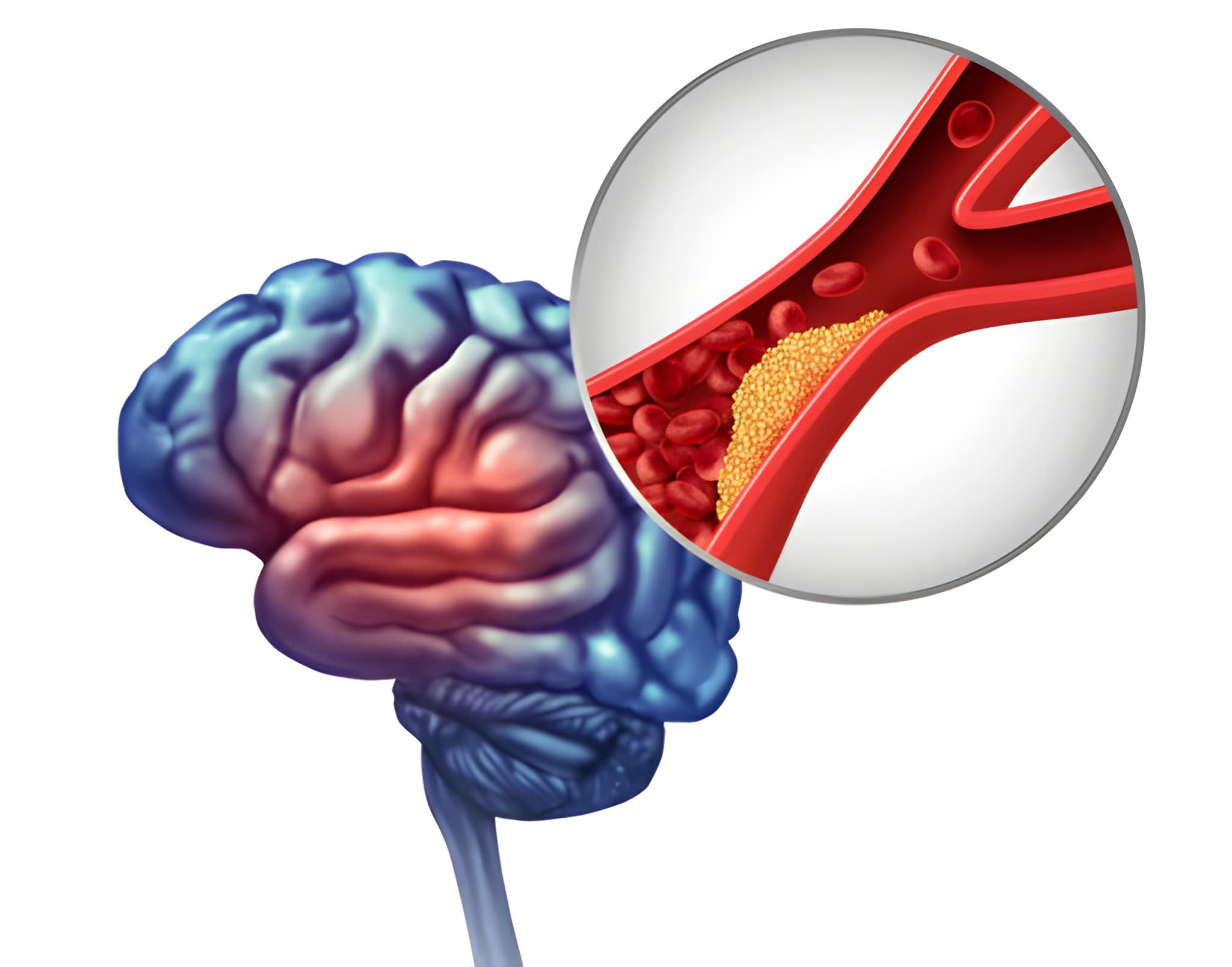
A TIA occurs when blood flow to the brain is temporarily reduced. Symptoms may include sudden weakness on one side of the body, slurred speech, facial drooping, vision problems, dizziness, or loss of balance. Because symptoms resolve quickly, many people delay medical attention.
This delay can be dangerous. A TIA is often a precursor to a major stroke, sometimes occurring within days or weeks. It’s the brain’s way of signalling that something is wrong with blood circulation.
Risk factors include high blood pressure, diabetes, smoking, high cholesterol, stress, and a sedentary lifestyle. Even younger individuals are increasingly experiencing TIAs due to lifestyle-related risks.
Immediate evaluation helps identify the cause, whether it’s blocked arteries, heart rhythm issues, or clotting problems. Early treatment significantly reduces the risk of a full-blown stroke.
According to Dr Srikant Swain, the best neurosurgeon, timely diagnosis and preventive care after a TIA can be life-saving. Stroke prevention is far more effective than stroke recovery.
If symptoms appear, even briefly, seek medical help immediately. When the brain gives a warning, it deserves urgent attention.