Spinal Disorders: From Slipped Disc to Spinal Stenosis
Back pain is one of the most common health complaints worldwide. Almost everyone experiences it at some point, but when the pain becomes persistent, radiates to the legs, or interferes with daily life, it may be linked to a spinal disorder. Two of the most frequent culprits are slipped disc and spinal stenosis. Let’s break them down in simple terms, so you can understand what’s happening inside your spine and when to seek medical help.
What is a Slipped Disc?
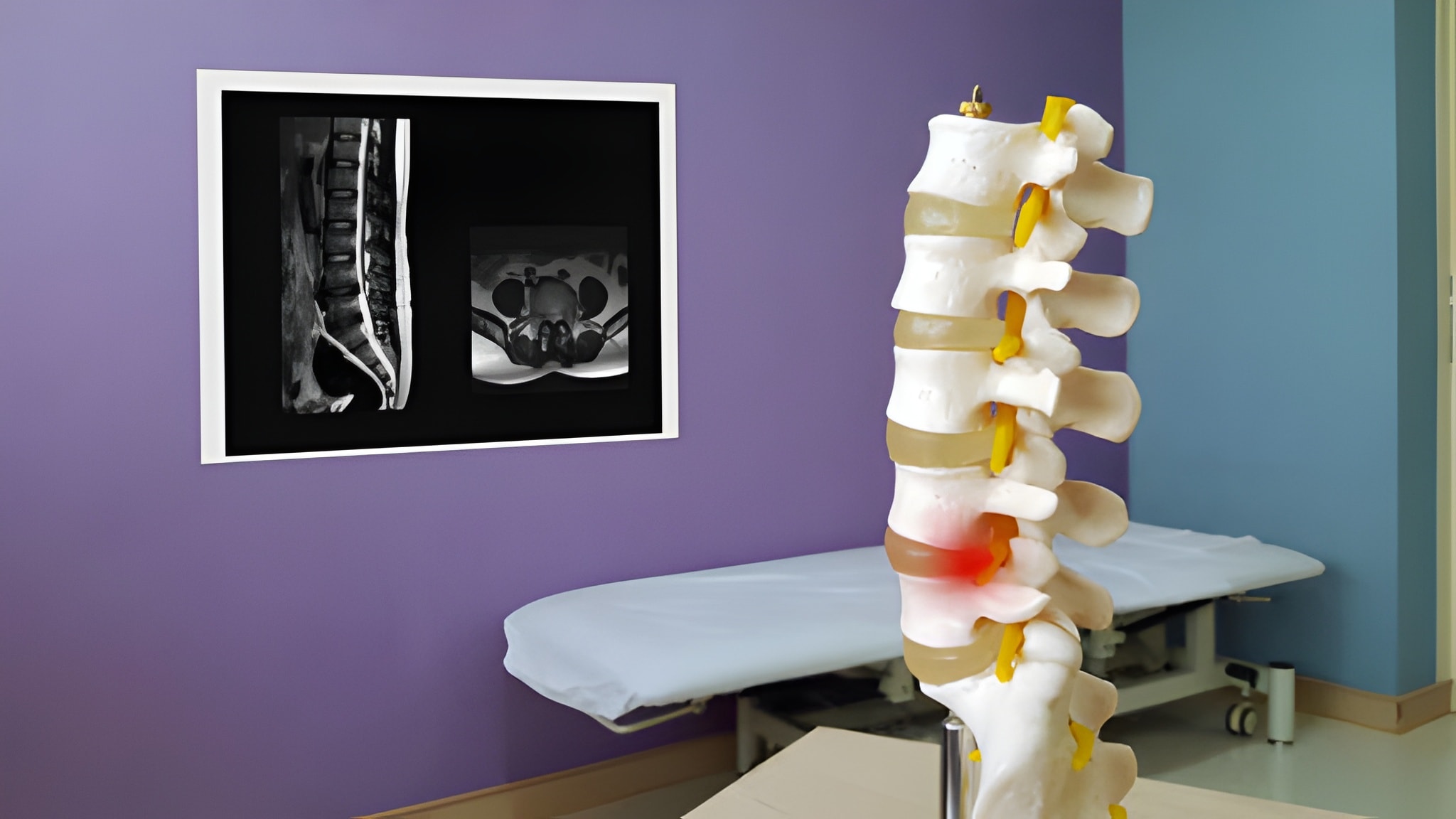
Between each of the bones (vertebrae) in your spine lies a cushion-like structure called a disc. It acts as a shock absorber and allows you to bend, twist, and move comfortably. Sometimes, due to age, injury, or overstrain, the soft inner part of the disc bulges or leaks out through its tougher outer layer. This is known as a slipped disc (or herniated disc).
A slipped disc can press on nearby nerves, causing:
- Back pain or neck pain
- Pain radiating to the arms or legs (sciatica is a common example)
- Tingling, numbness, or weakness in the limbs
Not every slipped disc needs surgery. Many improve with rest, physiotherapy, medications, or lifestyle changes. Surgery is considered when symptoms are severe, persistent, or affect daily functioning.
What is Spinal Stenosis?
“Stenosis” simply means narrowing. In spinal stenosis, the space within your spinal canal becomes too tight, putting pressure on the spinal cord and nerves.
This narrowing usually happens because of:
- Aging: Wear and tear can thicken ligaments and cause bone spurs.
- Arthritis: Joint changes can shrink the spinal canal.
- Disc problems: Herniated discs can contribute to narrowing.
Symptoms of spinal stenosis often include:
- Pain or heaviness in the back, buttocks, or legs
- Numbness, weakness, or cramping in the legs while walking (called neurogenic claudication)
- Relief when bending forward or sitting (because this position opens up the spinal canal)
How Are They Different?
- Slipped disc usually happens suddenly and may affect younger or middle-aged adults.
- Spinal stenosis develops gradually, often in people over 50.
- Both conditions cause nerve compression, but the onset, age group, and triggers differ.
When to See a Doctor
It’s normal to have occasional back pain. But you should see a neurosurgeon or spine specialist if you experience:
- Persistent or worsening pain
- Numbness or weakness in your arms or legs
- Difficulty walking, balancing, or controlling your bladder or bowel
These may be signs of significant nerve compression that needs immediate attention.
The Good News
Modern treatments, from physiotherapy and pain management to minimally invasive spine surgeries, offer excellent outcomes. Many patients return to normal activities with improved quality of life.
Conclusion:
Your spine is the backbone of your health, quite literally. Listening to your body, seeking timely advice, and following proper posture and lifestyle habits can go a long way in keeping it strong. If back pain is limiting your life, don’t ignore it. The right diagnosis and treatment can help you stand tall again, without pain holding you back.